Does Indian River County Have Slumlords?
Slumlord is an ugly term for landlords who prioritize maximizing profits over maintaining habitable properties. Such people charge excessive rent for substandard living conditions and rely on intimidation to prey on vulnerable individuals who fear retaliation. It’s not a term you’ll find in the marketing materials for the quaint beachside paradise so many of us are proud to call home.
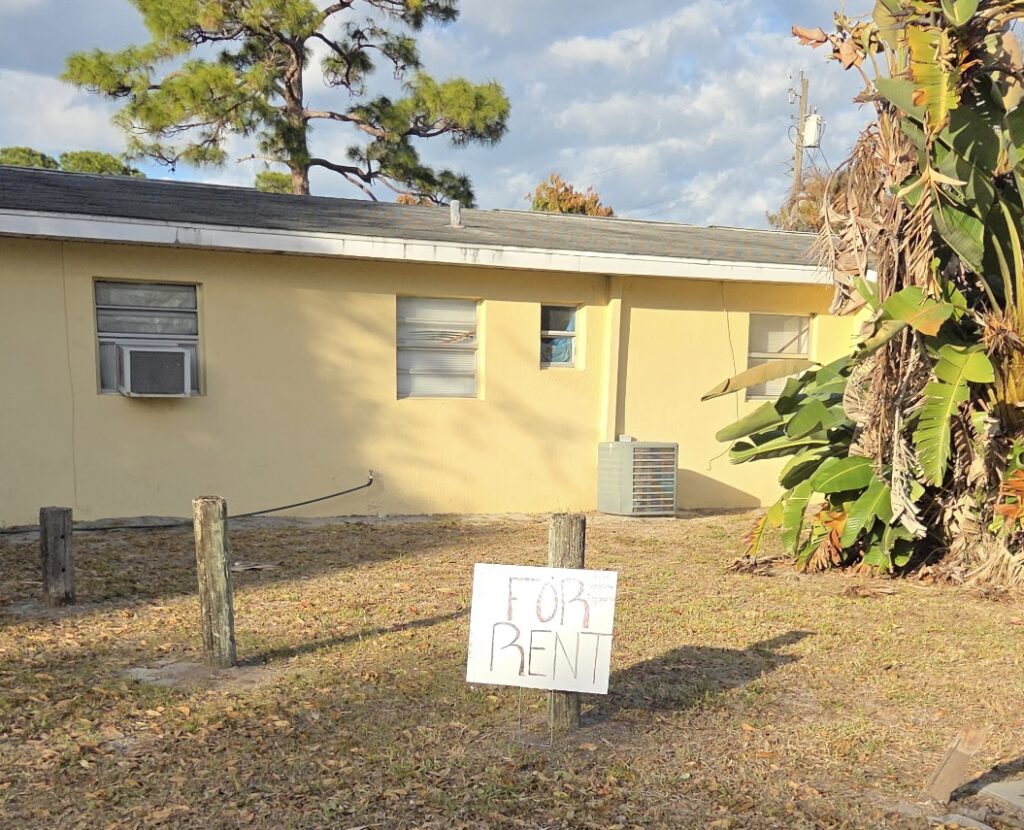
It is, though, a word you’ll hear in meetings of the county’s Affordable Housing Advisory Committee (AHAC). The topic came up so frequently, in fact, that early last year, those conversations led to the formation of Healthy Homes, a Health Department initiative designed to assist people trapped in deplorable living conditions. Commissioner Susan Adams explained, “This was the way to get into the houses. Because we knew it was a problem, but there was nothing we could do as a county.” County code enforcers can only react to conditions visible from the outside of a building, but with Healthy Homes, any tenant can invite an assessor into their home to document its conditions.
In an initial report on the emergent group’s progress at last April’s AHAC meeting, Tony Brown, president of the Indian River County branch of the N.A.A.C.P., reported that “silos were starting to come down” between departments, opening the door to making improvements. In an update at the September meeting, he said, “Healthy Homes is moving rapidly. It is exposing that our people are being held hostage.” He described being in some homes where “every wall in the house was green” suggesting mold, others where walls were deteriorating, and still others with serious plumbing problems.
Brown emphasized that Healthy Homes provides an assessment, not an inspection. That distinction matters. Where the Building Division is regulatory, Healthy Homes’ work is advisory. If a home were found by a regulatory inspection to be unsafe for habitation, a tenant could be forced to move immediately. A program designed to help might inadvertently make a person’s situation worse.
To that end, the group is building partnerships with other local organizations. Indian River Legal Aid (formerly Gifford Legal Services) provides below-market legal assistance to vulnerable individuals on a sliding scale. With legal representation and an assessment from Healthy Homes, a tenant can advocate for decent living conditions with less fear of eviction. Ideally, landlords will then make needed corrections. For times when moving out is the best solution, other partnerships can help. The group has begun working with Hope for Families Center, United Against Poverty, and others for help procuring emergency shelter when needed.
Brown’s partner at Healthy Homes is Health Educator Consultant Gamil Castro. He describes encountering common problems with mildew, air quality, and lack of ventilation, issues that aren't surprising in a climate like ours. He emphasizes helping people find resources – whether that’s a list of contractors, a name and phone number of someone to call in the county, or simply educational materials.
Castro estimates the group has helped forty people in its first year. He shares an example of a woman who was having issues with her landlord and was faced with losing her home. After about a month of conversation, he was able to work with another community partner, Treasure Coast Homeless Services Council (TCHSC), to help her find a new place to live. In another case, a young couple was helped by the Gifford Pastor’s Association to find new housing in five days.
In his September update, Brown said, “Healthy Homes was an idea that’s growing. It’s fluid. We don’t have all the answers. It’s not a perfect entity. That’s why we’re reaching out for collaboration.” In this town, he can be confident that people will reach back.
Rayme Nuckles, the leader of TCHSC, is one of those people. He considers Healthy Homes a valued partner. Their “expertise in identifying environmental and structural hazards, such as mold, lead-based paint, pest infestations, poor ventilation, unsafe utilities, and other health threats” combined with the Homeless Services Council's “case management, housing navigation, emergency assistance, and access to supportive services” ensures that “housing interventions address both immediate health risks and long-term housing stability.”
So, while there are hopeful initiatives underway to help vulnerable people trapped in bad situations, the answer to the question raised above is yes, Indian River County does have its share of slumlords. Those of us lucky enough not to have seen them are giraffes, to borrow an analogy from Brown. He explains, “Giraffes see the clean, pristine overview.” The tortoise, on the other hand, from his vantage point on the ground, sees “the nasty, filthy underview.”
It sounds bleak, if you stop there. But what is invisible to both the tortoise and the giraffe is in plain sight at eye level. It’s the resilient network of generous people and nonprofit organizations collaborating every day in this community to make the lives of vulnerable people better. Gamil Casto sees it. “People need to know they can reach out,” he says, “there’s always someone who can help.”